
Upgrade Your Power Supply With a Home Electrical Panel Installation
The breaker box serves as the central distribution point for all the electricity entering your property. As homes become more equipped with advanced appliances and HVAC systems, the strain on the infrastructure increases over time. Older panels frequently lack the capacity to handle these higher modern loads safely. Planning a home electrical panel installation is a practical step toward supporting your daily power requirements.
Why Do Homes Need a Capacity Upgrade?
Many historic and mid-century properties were originally built with basic 60-amp or 100-amp service lines. This baseline capacity was sufficient for decades, but it often struggles to support contemporary household technology. When a system draws more power than it was designed to handle, breakers frequently trip to prevent overheating. Upgrading to a modern 200-amp system provides the necessary bandwidth to run multiple heavy appliances simultaneously without disruption.

What Are the Warning Signs of an Outdated Breaker Box?
Homeowners should monitor their internal infrastructure for subtle signs of ongoing electrical strain. Recognizing these early indicators helps prevent sudden power losses and reduces potential fire hazards. Several common behaviors suggest your current setup might require a professional evaluation.
- Frequent Tripping: Breakers that shut off regularly indicate an overloaded circuit.
- Flickering Lights: Dimming bulbs during appliance startup point to capacity limits.
- Physical Heat: A panel that feels warm to the touch requires immediate technical attention.
Visible Rust: Corrosion around switches suggests moisture intrusion and underlying safety risks.
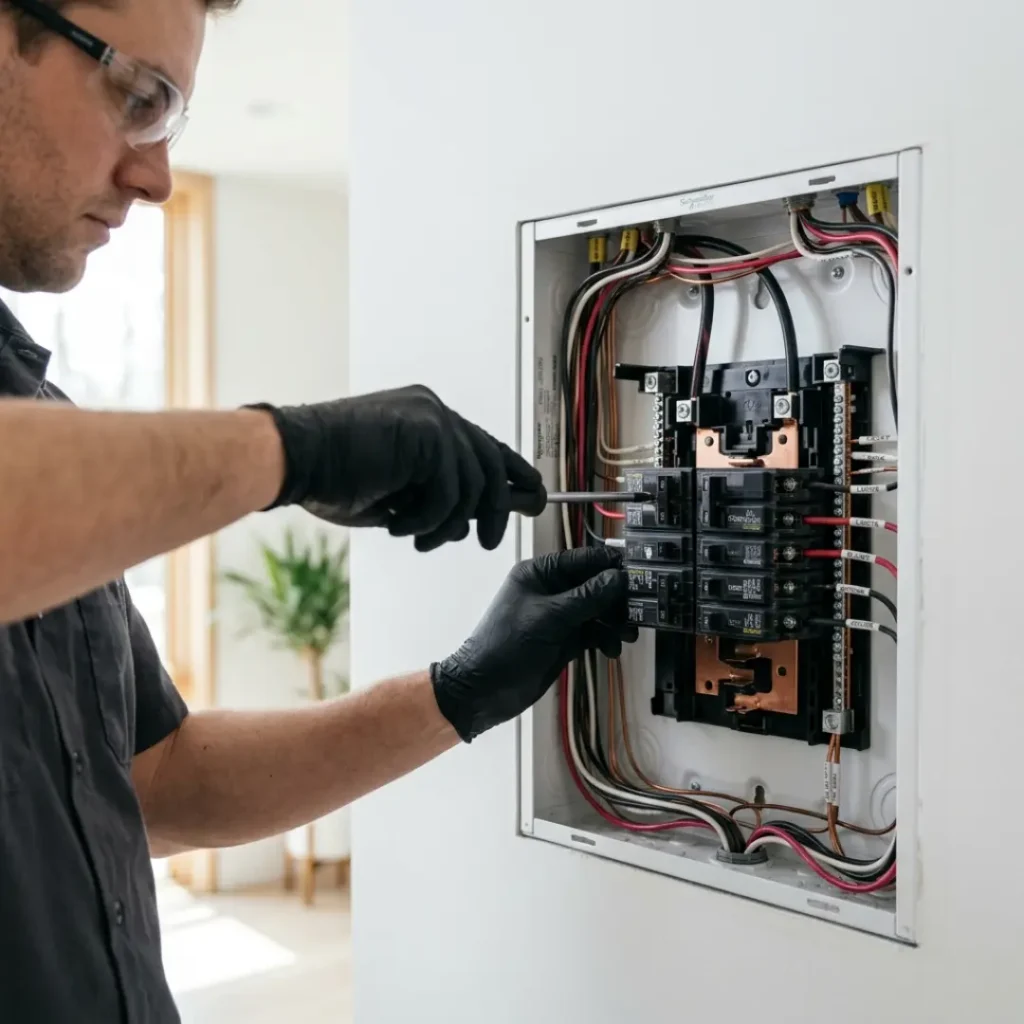
Comparing Standard Electrical Load Capacities
Understanding your current electrical limit helps clarify why an upgrade might be a sensible investment for your property. Technicians usually assess your total square footage alongside your specific appliance usage to determine the appropriate size. Reviewing common service levels highlights the differences in household energy support.
- 60-Amp Service: Usually found in very small or older homes relying on gas appliances, this capacity rarely meets modern building codes.
- 100-Amp Service: Common in medium-sized homes, this baseline supports standard devices but often struggles with major additions like heat pumps.
200-Amp Service: This is the current standard for most residential properties, accommodating advanced electrical needs and heavy mechanical equipment safely.
Accommodating Modern Home Upgrades
Transitioning to energy-efficient technology often necessitates a more robust electrical foundation. Adding an electric vehicle charging station or an induction stove significantly alters your daily energy consumption profile. Heat pumps and ductless climate systems also require dedicated, high-capacity circuits to operate smoothly. Upgrading your central panel helps these new residential investments function reliably without compromising the rest of the household.
Why Should You Hire a Licensed Electrician for This Work?
Attempting structural electrical work without proper certification introduces significant safety hazards to a residence. Licensed professionals undergo rigorous training to understand load balancing and grounding requirements. They possess the specialized tools needed to secure high-voltage lines and verify that every circuit functions correctly. Relying on an experienced team helps protect your property and supports reliable long-term functionality.
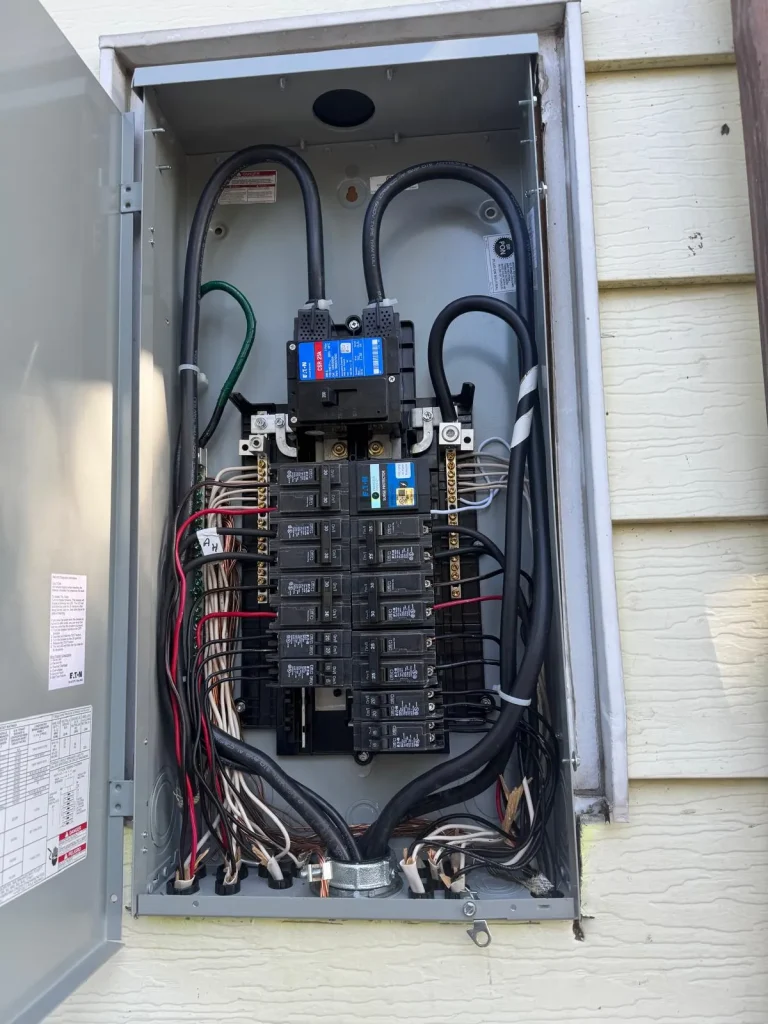
Take the Next Step Toward Reliable Power
Modernizing your electrical foundation is a sensible priority for maintaining a safe living environment. Piece of Mind Home Comfort provides objective evaluations of your existing infrastructure and clear guidance on sensible upgrade paths. We supply detailed, itemized project estimates so you can make measured financial decisions.
Schedule an inspection today and discuss the timeline for your home electrical panel installation.