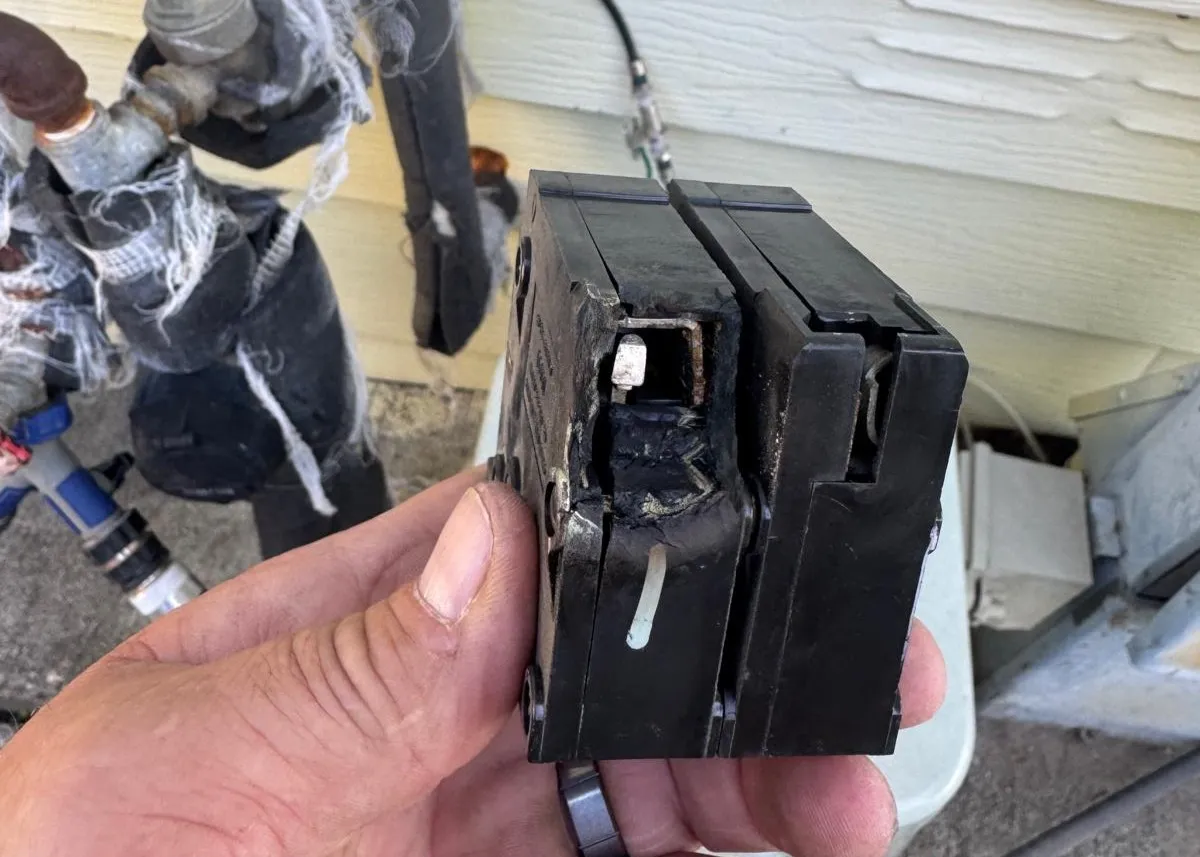
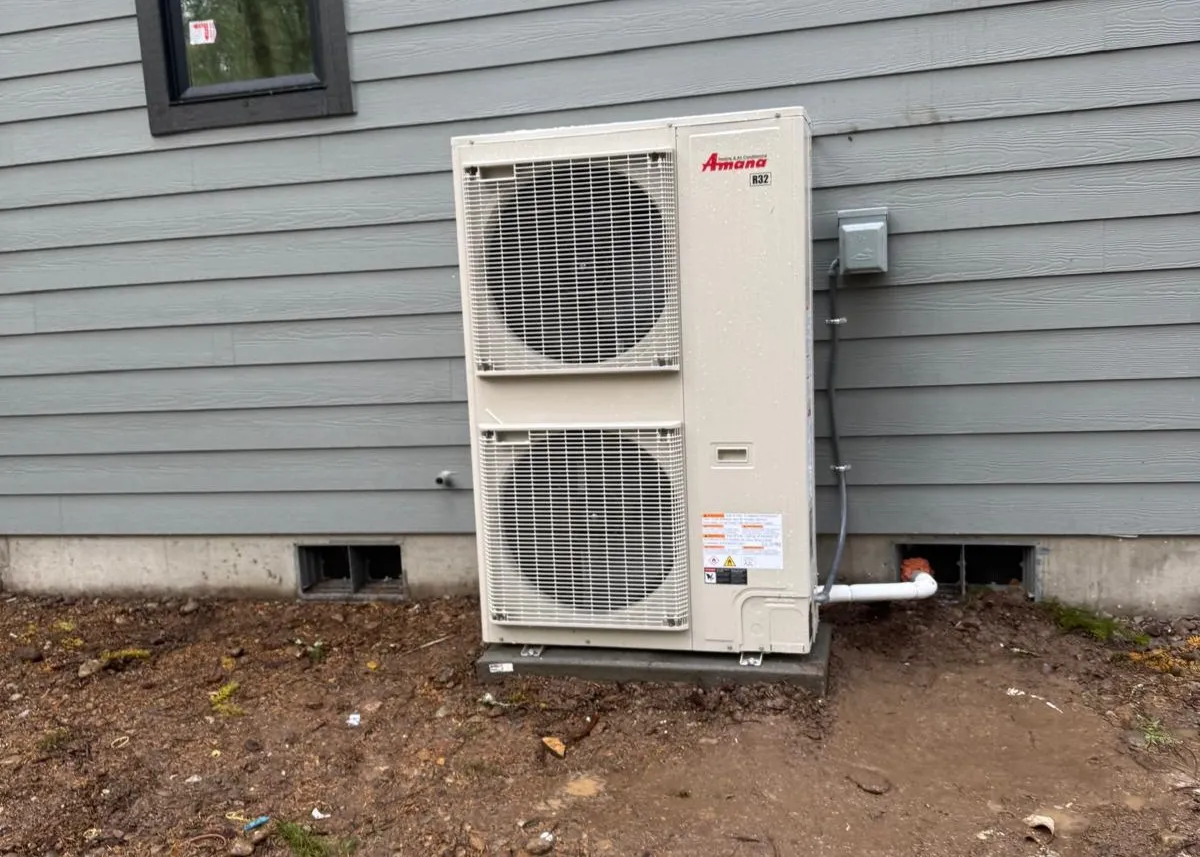
Autumn brings heavy rain and strong wind gusts across the Pacific Northwest. Local tree branches fall onto overhead power lines every year. These sudden weather events leave whole neighborhoods without electricity for hours or days.
When local utility grids fail, your home loses heat, lights, and food storage. Piece of Mind Home Comfort delivers reliable backup systems to keep your property safe. Our team provides professional generator installation in Tacoma, so your family stays warm and secure during severe weather.
Standard electrical setups cannot safely connect to a backup system without professional help. Overhead power lines in Pierce County face constant threats from tall Douglas firs and bigleaf maples. High winds easily snap these heavy branches, causing long grid outages.
How Fall Windstorms Impact Tacoma Electrical Grids
Pacific Northwest weather patterns shift quickly during early autumn. Heavy rainfall soaks the local soil and weakens tree root systems. Strong ocean wind gusts then push heavy limbs directly into neighborhood power wires.
A single fallen branch can shut down electricity for hundreds of homes. Neighborhoods with mature trees face longer grid outages while utility crews clear debris. Local repair teams often work long hours to restore power during major regional windstorms.
Power loss creates immediate comfort and safety problems for property owners. Heating systems stop working, sumps shut off, and refrigerators lose cooling. Gas furnaces and modern heat pumps both rely on electrical controls to run.
Our professionals connect backup systems directly to your main breaker panel. This direct hookup prevents dangerous backfeeding into public power lines. Backfeeding puts utility repair crews in severe physical danger while they fix broken neighborhood lines.
Finding Licensed Standby Power Contractors in Tacoma
Selecting proper backup equipment requires understanding your electrical panel and energy demands. Property owners must choose between portable backup units and permanent standby systems.
The comparison table below shows how different equipment performs during a prolonged power outage. Each option offers distinct features depending on your household electrical demands.
| Feature | Portable Generators | Whole-Home Standby Generators |
| Power Output | 3,000 to 10,000 Watts | 12,000 to 24,000+ Watts |
| Fuel Source | Gasoline or Liquid Propane | Natural Gas or Large Propane Tank |
| Activation Method | Manual Start & Cable Hookup | Automatic Transfer Switch |
| Coverage Area | Selected Plug-in Appliances | Entire Home Electrical System |
| Weather Resistance | Requires External Shelter | Weatherproof Outdoor Enclosure |
| Maintenance Need | Regular Manual Refueling | Automatic Self-Testing Cycles |
Equipment Performance and Capacity Differences
Portable units supply energy to a few crucial household items using heavy extension cords. These units require manual setup outside in rain and cold weather. Owners must store fresh fuel safely and fill tanks repeatedly during long power losses.
Whole-home standby units start automatically within seconds of a grid failure. These systems connect to natural gas lines or large propane tanks for a continuous fuel supply. Our team matches system capacity to your exact household appliance usage.
Safety Features and Automatic Transfer Switches
An automatic transfer switch protects your property and the public grid. The switch disconnects your electrical panel from utility lines before backup power turns on. This physical barrier stops electricity from flowing backward down neighborhood wires.
Piece of Mind Home Comfort mounts transfer equipment according to local building codes. Our experts calculate exact electrical loads so your appliances operate smoothly. Proper setup prevents system overloads when large appliances like water heaters start up.
Critical Safety Protocols for Generator Setup
Installing backup power equipment involves high-voltage electricity and local building permits. Professional installation helps keep your property safe from electrical fires and toxic gas buildup.
- Permit Compliance: Pierce County requires official electrical permits for permanent generator setups.
- Carbon Monoxide Distance: Equipment must sit a minimum distance away from windows, doors, and fresh air vents.
- Panel Sizing: Main breaker panels require proper amp ratings to handle startup power surges.
- Fuel Connection Safety: Gas lines need proper pipe sizing and shutoff valves to prevent fuel leaks.
- Grounding Verification: Standby units must connect to solid earth grounding rods to prevent shock hazards.
Our technicians perform detailed load calculations before mounting any physical hardware. We verify that gas lines supply adequate pressure during peak usage hours. Correct installation protects your home insurance coverage and preserves equipment warranties.
Unlicensed work often leads to failed inspections and dangerous short circuits. Improperly sized wiring creates fire hazards inside walls and junction boxes. Our professionals test every circuit thoroughly before completing the job.
Further Reading:
- Reliable Heat Pump Installation in Tacoma for Year-Round Savings
- Piece of Mind Home Comfort Offers a 10% Discount for Military Members
Secure Your Tacoma Home Before Storm Season Hits
Fall weather hazards threaten local power lines every autumn season. Preparing your electrical system early prevents cold nights and spoiled food. Piece of Mind Home Comfort protects your home with reliable backup power solutions.
Contact our team today for a professional generator installation in Tacoma.